Choosing Your Weapon SVG for Real Embroidery Projects
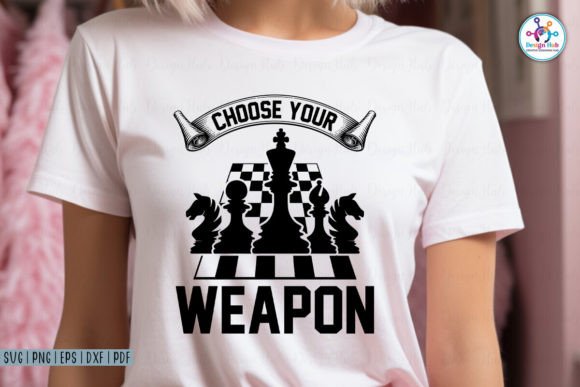
As a designer who has spent years stitching through everything from delicate silk to heavy canvas, I approach every new digital asset with a mix of excitement and skepticism. When I first laid eyes on Choose Your Weapon SVG, my initial reaction wasn't about the file formats or the marketing buzzwords; it was about the vibe. The design immediately evokes a sense of playful rebellion mixed with classic gaming nostalgia. It feels like something that belongs in a maker's workshop or a gamer's lounge, rather than a sterile corporate office.
The visual personality of this piece is bold. It carries a strong graphic weight that suggests it was built to stand out. For an embroidery project, where thread replaces pixels, the ability to maintain that sharp identity is crucial. This isn't just a clip art image; it has a layout that implies movement and decision-making. When you are selecting a machine embroidery design, you are often looking for a specific mood, and this one delivers a confident, energetic atmosphere that resonates well with hobbyists and small business owners alike.
From Digital File to Finished Product
Let me take you through a real scenario I recently encountered. A client approached me wanting to create a custom line of tote bags for a local board game night event. They needed something that spoke directly to their audience without being overly cluttered. They were considering several options, but Choose Your Weapon SVG stood out as the perfect centerpiece. The concept of "choosing your weapon" translates beautifully into a tactile experience when stitched onto fabric.
In this context, the design would likely be used as an embroidery file for a large chest area on a durable cotton canvas bag. The strength of the design lies in its balance between detail and simplicity. If we look at how it performs in a custom apparel setting, such as a sweatshirt or a hoodie, the central motif needs to hold up against the texture of the knit. Because the design features distinct shapes, it can effectively utilize satin stitch for outlines to give it a raised, professional edge, while fill stitch could bring depth to the internal elements.
However, not every application is a straightforward success. Imagine trying to use this same design on a baby onesie or a delicate pillow cover. The "weapon" theme might feel too aggressive for a nursery item unless stylized very softly. In those cases, the design would need careful adaptation. For a baby embroidery project, the lines might need to be softened, or the size reduced significantly to avoid overwhelming the small garment. The key is understanding that the stitch density must match the intended end product.
Navigating Fabric Challenges
One of the most critical aspects of reviewing any digital embroidery file is assessing how it handles different materials. Choose Your Weapon SVG is versatile, but it is not magic. On textured fabrics like fleece or boucle, the definition of the design can get lost. The threads might catch on the loops, creating a messy appearance that detracts from the clean lines of the original artwork. Similarly, on stretchy fabrics like standard jersey t-shirts, the design requires a stabilizer system that prevents puckering. Without proper support, the tension of the stitches can warp the fabric, turning a cool tote bag design into a distorted mess.
I also had to consider the impact of dark fabrics. If you plan to embroider this on a black cap or a navy apron, the thread colors become the deciding factor. The design relies on contrast to be readable. If the background is dark and the thread choice is muted, the "weapon" imagery will fade into the fabric. For these scenarios, using a bright, high-contrast thread palette is essential to maintain the visual appeal of the finished product. Conversely, on light fabrics, the design pops naturally, making it an excellent choice for holiday embroidery gifts or personalized handmade products.
Where Caution is Required
While the design is robust, there are specific areas where a designer must exercise caution. Small hoop sizes present a significant challenge. If you attempt to digitize or stitch this on a 4x4 inch hoop, the fine details might disappear entirely. Tiny corners and intricate lettering, if present in the vector layers, can become indistinguishable blobs of thread. This is particularly relevant for embroidered patches meant for backpacks or hats, where space is limited.
Curved surfaces like caps add another layer of complexity. The curvature of a baseball cap changes how the eye perceives the design. A flat image looks different when wrapped around a curve. If Choose Your Weapon SVG is converted for a cap, the top portion of the design might appear stretched or compressed depending on the machine's capabilities. It is vital to test the design on a curved surface before committing to a bulk run for a small shop product. Additionally, items that require frequent washing, like kitchen towels or work aprons, demand a dense stitch structure to prevent fraying over time. If the design is too sparse, the edges may fray after a few wash cycles, reducing the product value.
Practical Advice for the Modern Maker
Before you import this file into your software and hit start, there are several steps every serious Etsy seller or craft business owner should take. First and foremost, always test the design on scrap fabric. You need to see how the thread colors interact with your specific material. What looks good on a computer screen can sometimes clash with the sheen of satin or the matte finish of denim.
Review the stitch density carefully. If the design has areas that are too dense, it may cause needle breakage or fabric distortion. If it is too sparse, the underlying fabric might show through, ruining the professionalism of the final piece. Check whether the design works for both personal and commercial projects by verifying the licensing terms. Many designers assume they can sell unlimited items, but some licenses restrict the number of units or prohibit resale of the digital file itself.
Another crucial step is inspecting small details. Zoom in on the vector layers to ensure there are no stray points or unnecessary nodes that could confuse your digitizing software. If you are creating a printable mockup for your online store, make sure the design scales correctly. A design asset that looks great at full size might lose its impact when shrunk down for a phone case decal or a small sticker.
Building Trust Through Quality
Ultimately, the goal of using Choose Your Weapon SVG is to create a finished product that customers love. In the world of commercial embroidery, consistency is king. A well-executed design builds customer trust and encourages repeat business. When a buyer receives a personalized gift or a boutique item that looks crisp and intentional, they are more likely to share it on social media, providing free marketing for your brand.
The versatility of this design allows it to fit into various categories, from apparel decorators working on sweatshirts to creative entrepreneurs selling graphics in the Crafts niche. Whether you are making a unique patch for a jacket or a decorative accent for a pillow cover, the design offers a strong foundation. However, remember that the success of the project depends as much on your technique as it does on the file itself. Use the right stabilizer, choose the correct hoop size, and pay attention to the nuances of your machine.
By treating Choose Your Weapon SVG as a tool rather than a quick fix, you can unlock its full potential. It is a design that invites creativity and allows you to express a distinct style. Whether you are preparing for a craft fair, fulfilling a custom order, or simply making a gift for a friend, this file provides the backbone for a memorable embroidery project. Just keep the practical limitations in mind, test thoroughly, and let your craftsmanship shine through the thread.