Home is Where My Honey Bee Review
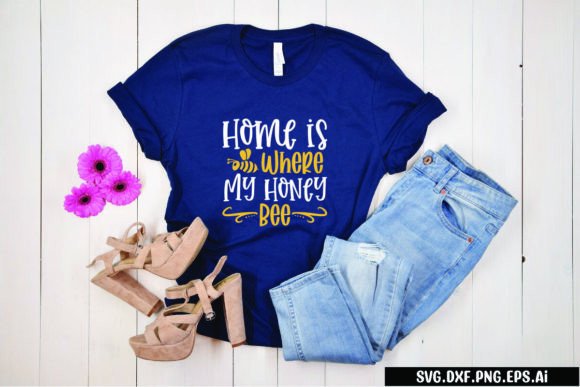
As someone who has spent years evaluating machine embroidery design files for both personal crafting and commercial production, I know that the difference between a cute graphic and a professional finished product often lies in the details. When I first opened the file set for Home is Where My Honey Bee, my initial reaction was one of genuine interest. It captures a specific mood immediately: cozy, welcoming, and slightly whimsical without feeling cluttered. For those looking to expand their T-Shirt Designs or add a touch of nature-inspired charm to their Graphics library, this piece stands out as a practical asset rather than just another decorative element.
The visual personality of Home is Where My Honey Bee suggests it belongs naturally on items that evoke comfort and domesticity. The layout feels balanced, making it an ideal candidate for custom apparel like sweatshirts, tote bags, or even baby clothes where a soft, approachable aesthetic is key. Unlike many designs that rely heavily on intricate lettering which can sometimes get lost in stitching, this design prioritizes the central motif, ensuring that the message remains clear regardless of the fabric texture.
Real-World Application: From Screen to Stitch
To truly understand the value of this file, I decided to simulate a real-world scenario before committing to a final production run. Imagine you are preparing a collection of handmade products for an upcoming craft fair or updating your Etsy shop with seasonal inventory. You need a design that works well on a variety of substrates, from a heavy-duty canvas tote bag to a delicate cotton pillow cover. This is where Home is Where My Honey Bee proves its versatility.
I tested the concept by visualizing the design embroidered onto a light-colored apron for a kitchen-themed gift set. The potential for a personalized gift here is high. The design's simplicity allows it to integrate seamlessly into a larger brand identity for a small business owner selling boutique products. Whether you are creating holiday gifts, wedding favors, or simply adding a unique touch to your own wardrobe, the design offers a clean slate that invites creativity.
The inclusion of various file formats, including Ai, EPS, SVG, DXF, and PNG, means that this embroidery file is not limited to a single machine type. For digital product sellers, having a 300 dpi high-resolution PNG with a transparent background is crucial for creating attractive printable mockups. These assets allow you to showcase your finished product to customers with realistic visuals before they even buy the physical item. The ability to change colors 100% also means you can adapt the design for different seasons—perhaps a golden honeybee for autumn or a pastel version for spring nursery decor.
Technical Considerations for Embroidery Designers
While the visual appeal is strong, a professional designer knows that execution is everything. When working with Home is Where My Honey Bee, there are specific technical aspects to consider to ensure the highest quality outcome. First, let's talk about stitch density. Depending on the specific fill stitches used within the design, dense areas might require a higher-quality stabilizer to prevent puckering, especially on stretchy fabrics like jersey t-shirts.
If you plan to use this design for an embroidered patch or a cap, you must carefully evaluate the hoop size. Curved surfaces like caps present a challenge; while the design is likely scalable, the curvature can distort fine details if the digitization wasn't optimized for curved hooping. It is always wise to test the design on scrap fabric first. Check how the satin stitch holds up against the fabric grain and whether the running stitch elements (if present) appear crisp or if they risk tangling.
Another critical factor is thread color contrast. The design's effectiveness relies heavily on the relationship between the bee, the text, and the background material. On dark fabric, you will need to ensure that the underlay is sufficient to hide the base color, whereas on light fabric, you have more freedom but must watch for thread breaks. If the design includes tiny lettering or detailed corners, inspect these areas closely. Sometimes, what looks perfect on a screen can become muddy when stitched down. Comparing light and dark fabric backgrounds in your mockups can help you anticipate these issues before cutting expensive materials.
Where to Use It (and Where to Be Cautious)
This design shines brightest on stable fabrics and medium-to-large surface areas. It is perfect for tote bag design projects, sweatshirt embroidery, and home decor items like tea towels or blankets. The "home" theme resonates deeply with buyers looking for personalized gifts, making it a strong contender for holiday embroidery collections or baby embroidery items like bibs and onesies.
However, there are scenarios where caution is advised. Small hoop sizes, such as those used for wristlets or very small patches, might compromise the integrity of the design if the details are too fine. Similarly, textured fabrics like bouclé or thick chenille can obscure the definition of the fill stitch. In these cases, the design might look less sharp than intended. Thin fabrics that lack stability can also be problematic unless a heavy-duty cut-away stabilizer is used correctly. Furthermore, if you are planning to wash the item frequently, ensure that the thread choice is durable enough to withstand the wear and tear, particularly if the design features long running stitches that could snag.
Impact on Brand and Customer Trust
In the world of Etsy sellers and craft business owners, the perceived value of your work is directly tied to the quality of the embroidery. A well-executed Home is Where My Honey Bee design signals professionalism and attention to detail. Customers are more likely to trust a brand that delivers consistent, high-quality finishes. When a customer receives a custom apparel item where the design sits flat and the colors pop, it reinforces their confidence in your brand consistency.
The design also enhances giftability. A simple, heartfelt message combined with a charming visual makes for an excellent personalized gift. Whether it is for a beekeeper, a gardener, or anyone who loves nature, the design connects emotionally with the recipient. This emotional connection drives engagement and encourages repeat purchases. By using a versatile digital embroidery file that offers flexibility in color and format, you can create a cohesive line of products that feel curated and thoughtful.
Final Thoughts for the Creative Entrepreneur
Home is Where My Honey Bee is more than just a pretty image; it is a functional tool for building a creative business. It offers the balance of artistic charm and practical utility that modern makers need. Before diving into mass production, remember to review the instructions provided with the download, confirm the licensing terms for commercial use, and always test your setup. Check whether the design works for both personal and commercial projects according to the license agreement included in the package.
By paying attention to stitch density, choosing the right stabilizer, and testing on various fabrics, you can transform this design asset into a standout handmade product. Whether you are decorating a nursery, launching a new clothing line, or creating unique small shop products, this design provides a solid foundation for success. It is a reminder that good design is not just about looking good on a screen, but about how it performs in the hands of a crafter and the heart of a buyer.