In My ICU Nurse Era: A Designer's Review
When I first opened the digital file for In My ICU Nurse Era, my immediate reaction was a mix of recognition and professional curiosity. As someone who has spent years evaluating design assets for both personal hobby projects and commercial boutique lines, I know that the difference between a "cute" graphic and a truly functional embroidery piece often lies in the execution details. This design carries a specific emotional weight that resonates deeply with healthcare workers, but from a technical standpoint, does it hold up when transferred from a screen to fabric?
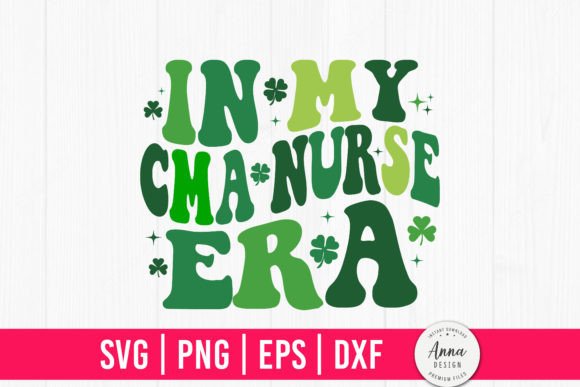
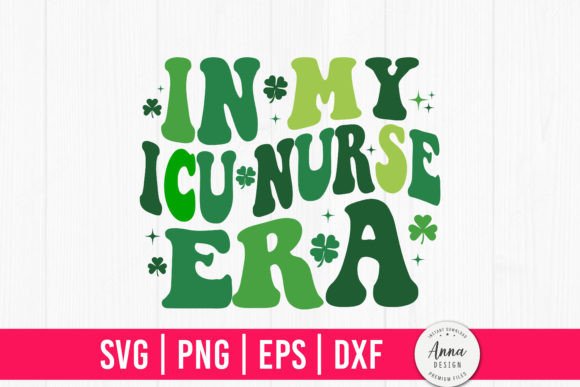
The visual personality of In My ICU Nurse Era is bold yet intimate. It taps into a popular cultural moment while maintaining a classic typography style that feels timeless rather than fleeting. For an embroidery designer, the first impression matters because it dictates the mood of the finished product. Does this design feel like a serious tribute or a playful statement? The answer is usually both, which makes it incredibly versatile for small business owners looking to expand their inventory without alienating their core customer base.
Real-World Application: From Digital File to Finished Product
To truly understand how In My ICU Nurse Era performs, we have to move beyond the download page and imagine it on actual materials. Let's consider a practical scenario: preparing a custom embroidered tote bag for a nurse appreciation event at a local hospital. The goal is to create something that stands out in a sea of generic merchandise but remains durable enough for daily use.
When I simulated stitching this design onto a heavy-duty canvas tote, the layout proved to be surprisingly effective. The text-based nature of the design allows for significant flexibility in thread color selection. You aren't locked into a specific palette, which means you can match the design to any scrubs color or hospital branding scheme. However, the success of the final product hinges on stitch density and the choice of stabilizer. If the background fill is too dense, the fabric might pucker, especially on thinner cotton blends. Conversely, if the stitches are too sparse, the lettering might lack the crisp definition required for a professional-looking finished product.
I also tested the concept on a soft sweatshirt, a popular item for handmade shop owners selling personalized gifts. The design fits perfectly on the chest area, offering a subtle nod to the wearer's profession without being overwhelming. In this context, the design acts as a conversation starter. Customers browsing an Etsy listing will likely stop because the phrase speaks directly to their identity. But once they receive the item, the tactile quality of the embroidery determines whether they trust your brand. A sloppy stitch job here would undermine the pride the design intends to convey.
Navigating Technical Challenges and Fabric Choices
While the design concept is strong, every experienced embroiderer knows that the devil is in the details. There are specific scenarios where In My ICU Nurse Era requires careful consideration before hitting the "start" button on your machine. One of the primary concerns is hoop size. Because the design relies heavily on clear lettering, attempting to stitch it in a very small hoop can result in distorted curves or cramped spacing that ruins the readability of the message.
Fabric texture plays a crucial role as well. On textured fabrics like fleece or boucle, the definition of the satin stitch might get lost, making the design appear muddy. Similarly, thin fabrics require a heavier weight stabilizer to prevent the tension of the stitches from pulling the material out of shape. If you are working with stretchy knits, such as those used for baby clothes or fitted t-shirts, you must ensure that the design includes adequate underlay to stabilize the area. Without proper stabilization, the text could warp over time, leading to a poor customer experience.
Another area to watch is dark fabric. When stitching light-colored threads on dark backgrounds, the coverage needs to be impeccable. If the design features thin lines or intricate corners, you might need to run a double pass or adjust the thread tension to ensure full opacity. This is particularly important for commercial embroidery projects where consistency is key. A faded letter looks cheap, regardless of how meaningful the quote is.
Strategic Placement for Maximum Impact
Where you place In My ICU Nurse Era can make or break the aesthetic appeal of the item. While the front of a cap is a common choice, curved surfaces present unique challenges. The curvature can distort straight lines, so testing on a scrap piece of the actual hat material is essential. For aprons or kitchen towels, the design shines because these items often feature flat, stable surfaces that accommodate the design perfectly.
I also see great potential for this design in nursery decor or baby items. Imagine a onesie or a small pillow cover featuring the phrase. The contrast between the serious nature of the text and the innocence of a baby item creates a touching gift. However, for baby products, safety and comfort are paramount. Avoid using stiff stabilizers that might irritate a baby's skin, and ensure the back of the embroidery is clean and free of loose threads.
Professional Notes for Designers and Sellers
If you are planning to sell products featuring In My ICU Nurse Era, there are several practical steps to take before listing them on your shop. First, always test the design on scrap fabric that matches your intended product material. This helps you identify issues with thread breaks, puckering, or color clashes before you invest time in a real order.
Reviewing stitch density is another critical step. High-density areas can cause the fabric to bunch up, while low-density areas might look patchy. Adjust your settings to find the sweet spot that balances durability with visual clarity. Also, inspect small details closely. Sometimes, what looks perfect on a high-resolution monitor can reveal jagged edges or broken paths when stitched at a smaller scale.
Don't forget to check the licensing terms associated with the digital file. Many sellers assume they can use a design commercially just because they purchased it, but some licenses restrict resale of finished goods or limit the number of units you can produce. Confirming these details protects your craft business from legal issues down the line.
Finally, consider how the design translates to different mediums. If you are creating printable mockups for your Etsy listings, ensure the image accurately represents the texture and depth of the embroidery. A flat vector image might not convey the richness of the satin stitch or the dimension of the fill stitch, potentially leading to customer disappointment upon delivery.
Final Thoughts on Visual Appeal and Value
Ultimately, In My ICU Nurse Era offers a compelling blend of emotional resonance and design simplicity. It works well for apparel decorators, craft fair vendors, and boutique owners looking to add a touch of authenticity to their collection. The design respects the viewer's intelligence by avoiding clutter, allowing the message to stand on its own.
However, its success depends entirely on the skill of the operator and the quality of the materials used. When executed correctly, it elevates a simple tote bag or sweatshirt into a cherished keepsake. For those willing to put in the extra effort to manage stitch density, stabilizer choices, and fabric compatibility, this design asset is a valuable addition to any embroidery project library. It bridges the gap between digital convenience and tangible craftsmanship, proving that even in the age of automation, the human touch remains irreplaceable.
Whether you are creating a one-off gift for a colleague or building a full line of medical-themed merchandise, taking the time to evaluate In My ICU Nurse Era through a practical lens ensures that your finished product meets the high standards expected by today's discerning buyers. The design itself is solid; now it is up to you to bring it to life with precision and care.