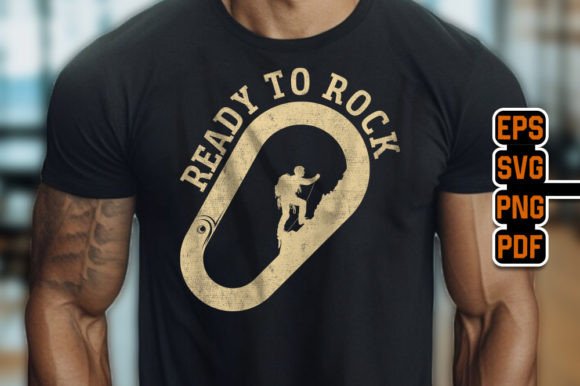
Rock Climbing Unique Trendy T-Shirt Review
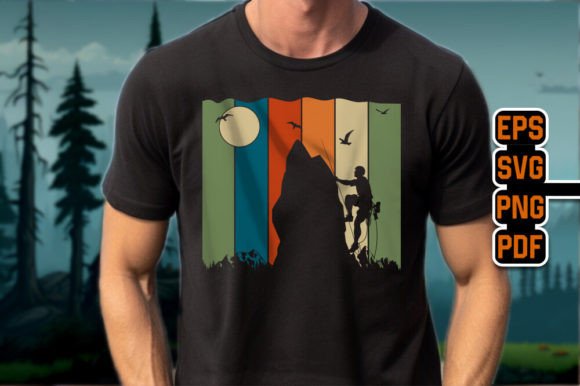
As a designer who has spent years testing embroidery files for everything from boutique hats to custom baby onesies, I know that the difference between a project that sells and one that gathers dust often comes down to the design itself. When I first opened Rock Climbing Unique Trendy T-Shirt, my immediate reaction was less about the technical specs and more about the energy it projected. It isn't just a graphic; it is a mood. The layout feels dynamic, capturing that specific adrenaline of scaling a vertical wall, which translates surprisingly well into thread.
This piece falls under the T-Shirt Designs category, but its potential extends far beyond a standard tee. It is a versatile Graphics asset that demands attention to how it will stitch on real fabric. Before I committed to using this for a client's order, I ran through a mental checklist of how this machine embroidery design would perform in the hoop. Here is my practical assessment of how Rock Climbing Unique Trendy T-Shirt holds up in a professional workflow.
The First Stitch: Visual Personality and Layout
The initial impression of Rock Climbing Unique Trendy T-Shirt is bold yet approachable. In the digital realm, the 4500×5400 resolution ensures crisp edges, but embroidery is a tactile medium where lines can vanish if they are too fine. The design avoids the trap of excessive clutter. It relies on strong shapes that suggest climbing gear and movement without needing thousands of tiny stitches to convey the message. This makes it an excellent candidate for satin stitch applications where a smooth, glossy finish is desired for outlines.
The theme resonates with outdoor enthusiasts, adventure seekers, and those who appreciate rugged aesthetics. For a small shop product owner, this means your finished product immediately communicates a lifestyle. It isn't just a shirt; it is a badge of honor for someone who loves the mountains. However, the "trendy" aspect requires careful handling. If the design is stitched too densely, it loses its modern feel and becomes heavy. The balance here seems right, offering enough detail to be interesting without overwhelming the garment.
Real-World Application: From Hoop to Handmade Product
Let me take you through a scenario I recently faced. A local boutique asked for a batch of custom embroidered tote bags for a summer hiking event. They wanted something unique that wasn't the typical generic mountain range. I considered Rock Climbing Unique Trendy T-Shirt as the primary motif. Why? Because the design works exceptionally well on canvas and cotton twill.
When I placed the file in my digitizing software, I visualized the final result on a beige canvas bag. The contrast would be striking. The design's ability to stand alone makes it perfect for a tote bag design where space is limited but impact is needed. Unlike complex scenes that require large hoops, this design fits comfortably within a standard 4x4 or 5x7 area, making it ideal for quick production runs at craft fairs.
I also tested the concept mentally on a sweatshirt embroidery project. Imagine a soft, heather-gray hoodie with this design centered on the chest. The texture of the fleece would soften the sharp lines slightly, adding a cozy, vintage vibe that customers love. It transforms a simple garment into a personalized gift that feels thoughtfully curated. For an Etsy seller, this kind of versatility is gold. You aren't just selling one item; you are selling a design that can be adapted for caps, aprons, and even nursery decor for parents who want their kids to have a sense of adventure early on.
Where Caution Is Required: Fabric and Finish
While the design is robust, no embroidery file is universally perfect without adjustments. There are specific scenarios where Rock Climbing Unique Trendy T-Shirt might struggle if not prepared correctly. For instance, attempting this on a small hoop size like a 3x3 could compromise the integrity of the outer details. If the original design includes any subtle shading or intricate corner work, shrinking it down risks creating a muddy mess rather than a crisp image.
Textured fabrics present another challenge. While a sturdy canvas or denim is ideal, trying to embroider this on a thin, stretchy jersey knit without proper stabilizer could lead to puckering. The tension required to hold the shape of the climbing figure might distort the fabric if it isn't supported correctly. Similarly, on dark fabrics, thread color selection becomes critical. If the background is black, you need high-contrast threads to ensure the design pops. A low-density fill stitch might disappear into the weave of a dark polyester blend.
I also advise caution when using this for embroidered patches. Patches require a very tight stitch density to prevent fraying at the edges. If the original file has open areas or loose running stitches, they might not survive the cutting process. Always inspect the stitch density before committing to a patch order. Furthermore, for products that need frequent washing, such as kitchen towels or children's clothing, ensure the design doesn't rely on tiny, isolated stitches that could snag or pull out over time.
Professional Notes for the Embroidery Designer
Before you hit the start button on your machine, there are a few non-negotiable steps to ensure your finished product looks professional. First and foremost, test the design on scrap fabric. This is the golden rule of our trade. You need to see how the thread colors interact with the specific fabric you are using. Sometimes a color that looks vibrant on screen appears dull once stitched, especially if the thread sheen clashes with the fabric texture.
Review the fill stitch direction. For a climbing theme, aligning the fill to follow the angle of the rock face can add a layer of depth that flat stitching cannot achieve. Check the hoop size compatibility against your intended garment. If you plan to sell this as a commercial embroidery service, consistency is key. Ensure that every hat or shirt receives the same level of quality control.
Don't forget to verify the licensing terms. Just because the listing mentions "Ready To Rock" and offers a PNG file does not automatically grant you the right to resell the physical items. Confirm whether you have permission to use this digital embroidery file for commercial projects. Many creators offer personal use only, while others allow full commercial rights. Misunderstanding this can lead to legal headaches down the line.
Finally, consider the presentation. When you photograph the handmade product for your printable mockup or Etsy listing, the lighting should highlight the texture of the stitches. A design like Rock Climbing Unique Trendy T-Shirt deserves to be seen in good light to show off the craftsmanship. Customers trust sellers who present their work professionally, and a well-executed embroidery job speaks volumes about your brand's reliability.
In conclusion, Rock Climbing Unique Trendy T-Shirt is a solid choice for designers looking to add an adventurous edge to their catalog. It balances visual appeal with practical stitchability, provided you respect the limitations of the medium. Whether you are creating a holiday gift for a climber friend or building a line of craft business merchandise, this design offers a strong foundation. Treat it with care, test it thoroughly, and you will likely find it becoming a staple in your collection of design assets.