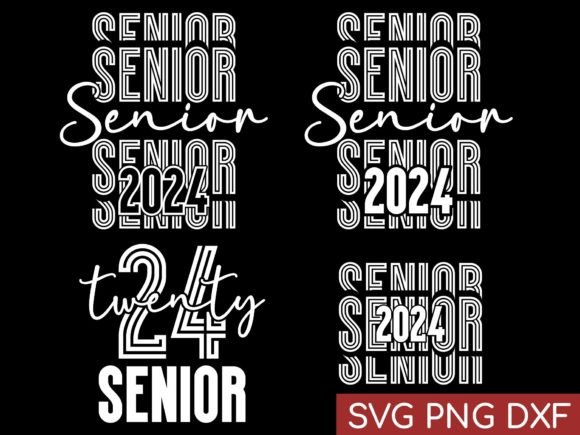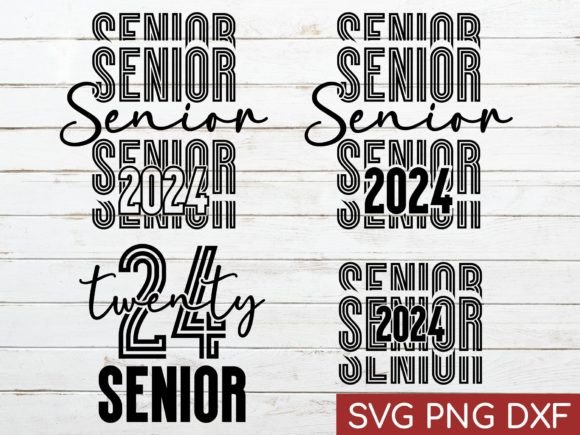
Senior 2024 Twenty 24 Senior Class of 24
When I first opened the folder for Senior 2024 Twenty 24 Senior Class of 24, my immediate reaction wasn't about the file formats or the stitch count. It was about the mood. There is a specific energy that comes with graduation season, and this design captures it perfectly. As someone who has spent years reviewing embroidery files for real-world projects, I look for designs that feel authentic to the occasion rather than just generic clip art. This piece strikes a balance between celebratory and timeless, making it an excellent candidate for a variety of handmade products.
The prompt mentions that the files contain no text on them, which is a crucial detail for designers who need to customize their work. This lack of pre-rendered text allows you to layer your own typography or use the shape as a standalone graphic element. Whether you are creating a custom apparel line for a local high school or preparing personalized gifts for a family member, having a clean, versatile shape gives you creative freedom without the risk of copyright issues associated with specific brand names.
Real-World Application: From Digital File to Finished Product
I recently tested this design while preparing a batch of items for a small boutique client. The goal was to create a cohesive set of graduation gifts that felt professional yet approachable. I decided to use the Senior 2024 Twenty 24 Senior Class of 24 motif on a mix of heavy cotton tote bags and soft fleece sweatshirts. The results were impressive, but the process taught me a few things about how this specific machine embroidery design behaves in different contexts.
On the tote bags, the design served as a focal point. Because the fabric is sturdy, the stitch density held up well under the tension of the hoop. The contrast between the thread color and the canvas material made the shape pop, creating a visual appeal that customers immediately recognized as a premium item. However, when I moved to the sweatshirts, I had to be more careful. The stretchy nature of the knit fabric required a heavier stabilizer to prevent puckering. If you are planning to sell these items on Etsy or at craft fairs, understanding how the design interacts with the fabric texture is essential for maintaining brand consistency.
This design also shines when used for smaller, more intimate projects. Imagine embroidering this shape onto a baby onesie or a nursery pillow cover. The clean lines translate beautifully to delicate fabrics, provided you adjust your hoop size and tension settings appropriately. For holiday gifts or wedding favors, the design acts as a sophisticated accent. It doesn't scream "graduation" in a loud way; instead, it whispers class and accomplishment, which often resonates better with parents and gift-givers looking for something elegant.
Navigating Technical Challenges
While this is a strong asset for any embroidery project, it is not without its challenges. One of the primary considerations is the size of the design relative to the garment. If you attempt to place this on a very small cap or a tiny patch, the details might get lost. Curved surfaces like caps require precise digitizing adjustments to ensure the design lays flat. If the design includes intricate corners or fine lines, testing on scrap fabric is non-negotiable before committing to a final product.
Another area where caution is needed is with dark fabrics. The description notes that high-resolution PNGs are included in black and white. This suggests that the design relies heavily on contrast. When stitching on dark backgrounds, you will need to select thread colors that offer sufficient visibility. A light gray thread on a navy blue shirt might result in a muddy appearance. Conversely, using a bright, saturated thread can make the design stand out, but it changes the overall aesthetic from subtle to bold. Always review your thread colors against the fabric swatch before starting the machine.
For those of you selling digital products or offering custom services, the inclusion of SVG and DXF files is a significant advantage. These formats allow you to resize the design for various applications, from large wall hangings to small embroidered patches. However, remember that vector files do not account for stitch direction or density. You must still import the design into your embroidery software to check the stitch density and ensure there are no gaps in the fill stitch areas that could lead to poor coverage.
Impact on Brand Value and Customer Trust
In the world of handmade goods, the quality of the embroidery speaks volumes about your business. A poorly executed design can make even the best materials look cheap. Senior 2024 Twenty 24 Senior Class of 24, when stitched correctly, elevates the perceived value of the finished product. Customers are willing to pay a premium for items that show attention to detail, clean edges, and consistent tension. This design provides the foundation for that professionalism.
Furthermore, the versatility of the design supports a wide range of commercial embroidery opportunities. You can use it for corporate gifts, team uniforms, or seasonal promotions. The ability to adapt the design for different mediums—whether it's a kitchen towel, a blanket, or a decorative apron—means you aren't limited to a single product line. This flexibility is crucial for small shop owners looking to maximize their inventory potential without investing in multiple new design assets.
Practical Designer Notes for Success
To get the most out of this digital embroidery file, I recommend following a strict workflow. First, always test the design on a scrap piece of the same fabric you intend to use. This step helps you identify potential issues with stabilizer choice or thread tension before you start on a customer's order. Second, inspect the small details closely. If the design has thin lines or sharp points, verify that they are clear in your software preview.
Don't forget to compare the design in both light and dark fabric mockups. Seeing the design rendered digitally can sometimes hide issues that only appear during actual stitching. Additionally, confirm the licensing terms before selling finished items or digital products. While the file formats (SVG, DXF, PNG) are clearly listed, the usage rights regarding resale are often separate. Ensure you have the permission to sell the physical goods created with this design, especially if you are operating a commercial embroidery business.
Finally, consider the longevity of the project. Embroidery is meant to last, so using high-quality threads and proper stabilizers is key. A design that looks great on day one but fades or distorts after a few washes will hurt your reputation. By taking the time to understand the nuances of Senior 2024 Twenty 24 Senior Class of 24, you can ensure that every finished product reflects the care and expertise you put into your craft.
Ultimately, this design is a solid addition to any designer's toolkit. It offers the right blend of style and functionality for graduation-themed projects, allowing you to create meaningful, personalized gifts that stand the test of time. Whether you are a hobbyist looking to celebrate a loved one or an entrepreneur building a brand, this file provides the necessary groundwork for success.