Will Cook for Wine: A Designer's Review
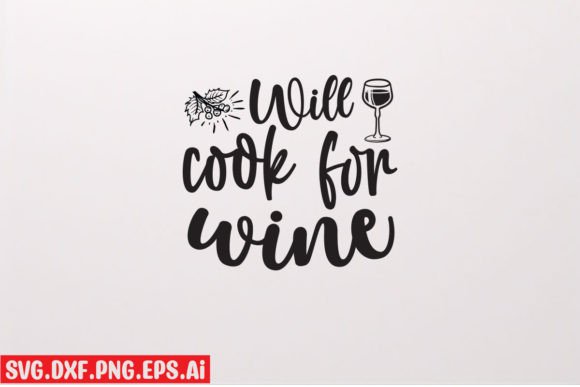
When I first opened the folder for Will Cook for Wine, I didn't just see a graphic; I saw a vibe. It is that specific blend of humor and relatability that makes kitchen decor so popular right now. As someone who has spent years reviewing embroidery files for real-world projects, my first thought was not about the file formats, but about where this design would actually live in a customer's home. The phrase itself is a conversation starter, and in the world of handmade goods, that is gold.
The mood it creates is casual, inviting, and slightly cheeky. It feels like something you would find on a well-loved apron in a busy family kitchen or hanging above a coffee station at a boutique cafe. Unlike many generic text designs that feel stiff or corporate, Will Cook for Wine has a personality. It suggests a space where cooking is fun, wine is essential, and perfection isn't the goal. This emotional connection is crucial when we are talking about selling finished products to crafters and Etsy sellers.
From Digital File to Finished Product
The transition from a digital asset to a physical item is where most designs fail. With Will Cook for Wine, the layout seems designed with the needle in mind. The curves of the letters likely flow well, avoiding the jagged edges that can ruin a satin stitch on a tight curve. When I imagine stitching this onto a canvas tote bag, the contrast between the thread and the fabric becomes the star of the show.
For the small business owner, the versatility here is key. You aren't limited to just one product type. I can easily envision this design on a heavy-duty cotton apron for a culinary school graduation gift. The texture of the apron fabric would hold the fill stitches beautifully, giving it a tactile quality that customers love. Alternatively, placing it on a soft sweatshirt for a holiday gift adds a layer of comfort to the humor. The design works because it doesn't fight the material; it complements it.
However, the devil is in the details. If you are planning to use this as an embroidery project for a baby item, you need to be mindful of the scale. A tiny version of Will Cook for Wine on a onesie might lose its impact if the lettering becomes too dense. The balance between the text and the negative space is what makes it readable. In a commercial setting, readability equals professionalism. If a customer cannot read the joke instantly, the value of the product drops.
Where This Design Shines
This file is particularly strong for specific niches within the T-Shirt Designs and apparel category. It fits perfectly into the "foodie" aesthetic that dominates social media trends. Here is how it performs in real scenarios:
- Kitchen Towels and Tea Towels: These are high-volume items for craft fairs. The design adds a personal touch that mass-produced towels lack. The humor resonates immediately with the buyer.
- Holiday Gifts: During the holidays, people look for gifts that say "I know you." Will Cook for Wine tells the recipient exactly what they need to know: their hostess status is recognized. It is a perfect fit for Christmas stockings or Secret Santa exchanges.
- Boutique Branding: For a local shop that sells cookware or wine accessories, this could serve as a subtle branding element on employee shirts or promotional bags.
- Pillow Covers and Home Decor: A throw pillow with this text brings a cozy, lived-in feel to a living room. It bridges the gap between a bedroom and a kitchen, making it a versatile piece of decor.
The inclusion of various file formats like AI, EPS, SVG, DXF, and PNG means you have the flexibility to adapt the design for different machines or even print-on-demand services if you decide to expand beyond embroidery. The 300 dpi resolution ensures that any mockups you create for your online store will look crisp and professional, which is vital for building trust with your audience.
Real-World Challenges and Considerations
While the design is promising, no machine embroidery design is without its challenges. As an experienced reviewer, I always advise testing before you commit to a full production run. There are specific areas where Will Cook for Wine requires careful handling.
If you are working with a small hoop size, you must ensure the design is scaled appropriately. Trying to force a large, detailed design into a 4x4 hoop can lead to crowded stitches and a loss of definition. Similarly, if you choose a textured fabric like a heavy denim or a bouclé knit, the stitches may not lay flat. The stitch density needs to be adjusted based on the fabric weight to prevent puckering.
Stretchy fabrics present another hurdle. When embroidering on a t-shirt or a cap, the fabric stretches under the tension of the needle. If the stabilizer is not chosen correctly, the final product can look warped. For custom apparel, using a cut-away stabilizer is often necessary to maintain the shape of the design over time, especially after multiple washes.
Dense stitch areas can also be problematic. If the design relies heavily on satin stitch for the lettering, it might become too thick for delicate fabrics like silk or thin linen. In these cases, switching to a running stitch or reducing the density might be necessary to achieve a softer look. Always check the thread color contrast against your fabric background. A dark thread on a dark shirt will disappear, while a light thread on a white shirt might get lost unless there is enough outline or shadow detail.
Practical Notes for the Designer
Before you start stitching your next batch of handmade products, keep these tips in mind to ensure success with Will Cook for Wine:
- Test on Scrap Fabric: Never skip this step. Use a scrap of the exact same fabric you plan to sell to check for puckering, thread breaks, and color accuracy.
- Check Thread Colors: The file allows for color changes, but you need to select threads that match your brand palette. High-quality polyester threads usually offer the best sheen and durability for commercial items.
- Review Stitch Density: Open the file in your digitizing software if possible. Look at the density settings. If the fill stitches are too close together, they might push through the fabric. If they are too far apart, the underlying fabric might show through.
- Confirm Hoop Size: Ensure the design dimensions fit your intended hoop size with some margin for error. This prevents the machine from hitting the frame during operation.
- Inspect Small Details: Zoom in on the corners of the letters. Are they sharp? Do they need trimming? Tiny details are often the first thing to go wrong during digitization.
- Test in Black and White: Sometimes color distracts us from structural issues. Convert your mockup to black and white to see if the design holds its shape without relying on color contrast.
- Licensing Check: Before selling finished items or offering the digital embroidery file as a download, verify the license terms. Some files are for personal use only, while others allow commercial sales of the finished product.
The ultimate goal of any embroidery designer is to create a finished product that looks polished and professional. Will Cook for Wine has the potential to be a bestseller in the craft business niche because it hits the right emotional note. It is funny, relatable, and visually appealing. However, the success of the final product depends entirely on the execution.
Whether you are creating a personalized gift for a friend or stocking shelves for your Etsy shop, taking the time to understand the technical aspects of the design will pay off. By paying attention to stabilizer choices, thread colors, and fabric texture, you can transform a simple digital file into a treasured keepsake. The design provides the foundation, but your skill as a maker brings it to life.
In conclusion, Will Cook for Wine is more than just a T-shirt design; it is a statement piece for the modern home. It fits seamlessly into the world of applique design or standard embroidery, offering a wide range of possibilities for creative entrepreneurs. Just remember to test thoroughly, respect the limits of the materials, and let the humor shine through in every stitch. That is how you build a reputation for quality and reliability in the competitive world of handmade goods.