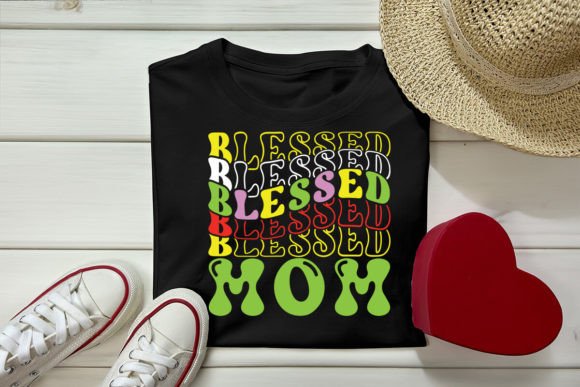
Blessed Mom Retro Design: A Designer's Review
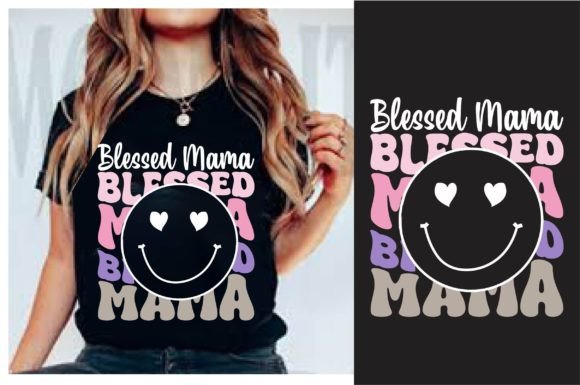
When I first opened the Blessed Mom Retro Design, my immediate reaction wasn't about the file size or the pixel count. It was about the mood. There is a specific energy that comes with retro aesthetics, and this design captures it perfectly without feeling dated or cluttered. As someone who has spent years evaluating embroidery files for both personal projects and client work, I know that a successful design isn't just about looking good on a screen; it is about how those lines translate into thread.
This piece feels like a natural fit for a Mother's Day collection, but its versatility extends far beyond a single holiday. The layout suggests a warmth and nostalgia that resonates with handmade product lovers. Whether you are an Etsy seller looking to refresh your shop inventory or a crafter preparing a personalized gift for a grandmother, the visual personality of Blessed Mom Retro Design offers a strong foundation. It strikes a balance between bold statement and delicate sentiment, which is often the hardest part of digital graphic creation.
From Screen to Stitch: Real-World Application
I recently put this design through a practical test scenario involving a custom embroidered tote bag intended as a boutique product. My goal was to create a high-end feel using a heavy-duty canvas material. The challenge with many retro designs is that they can look too flat when converted from a vector or raster image into a machine embroidery format. However, Blessed Mom Retro Design holds up well under scrutiny.
The composition works beautifully on larger surfaces like tote bags, aprons, and sweatshirts. When I simulated the stitching process mentally, I noticed that the curves in the typography would flow naturally with the satin stitch technique. This is crucial because satin stitch is the backbone of readable text in embroidery. If the curve is too tight, the thread bunches; if it is too loose, the fabric puckers. This design appears to have enough breathing room to avoid those common pitfalls, making it a reliable choice for custom apparel.
For small business owners, the commercial potential is evident. Imagine this design on a set of kitchen towels or a baby onesie. The retro vibe adds a layer of sophistication that appeals to modern parents who want something unique rather than generic mass-produced items. It elevates the perceived value of the finished product. Customers are willing to pay more for items that look professionally designed, and Blessed Mom Retro Design provides that professional polish immediately.
Navigating Fabric and Texture Challenges
While the design is robust, no single embroidery file is a magic bullet for every situation. I need to be honest about where Blessed Mom Retro Design might struggle. Textured fabrics, such as chunky knits or bouclé, can hide the fine details of any design. If you attempt to stitch this onto a heavily textured towel or a fuzzy blanket, the definition of the letters could get lost in the pile of the fabric.
Similarly, stretchy fabrics like standard jersey t-shirts require careful consideration. While the design is likely suitable for tees, the density of the stitches must be managed correctly to prevent the garment from warping. If the design is too dense, it will pull the fabric and cause the neckline to ripple. For these materials, a proper stabilizer is non-negotiable. You cannot rely on the design alone; the support system underneath is just as important as the thread colors above.
Dark fabrics present another variable. The product description mentions transparency and print-ready files, but in embroidery, we deal with thread coverage. If you are stitching this onto black fabric, you will need to ensure you have a light-colored thread option that provides sufficient contrast. Without the right thread color selection, the retro aesthetic loses its punch. Always test your thread palette against your fabric swatch before committing to a full production run.
Where to Use It (And Where to Pause)
This design shines in specific contexts. It is ideal for:
- Holiday Embroidery: Perfect for Christmas gifts, Easter baskets, or Mother's Day cards made of fabric.
- Personalized Gifts: The text lends itself well to adding names or dates, creating a unique keepsake.
- Small Shop Products: Great for branding on hats, caps, and patches.
- Digital Mockups: Since the file includes editable formats, it is excellent for creating printable mockups to showcase on social media or listing sites.
However, there are areas where caution is advised. Avoid using this design on very small hoop sizes. If you try to compress the retro elements into a tiny 4-inch circle, the details may become muddy, and the text might lose legibility. Tiny lettering is notoriously difficult to execute cleanly in embroidery, and if the original design relies on thin lines, they may break down during the stitching process.
Curved surfaces like baseball caps also require a specific approach. While the design looks great flat, transferring it to a curved brim or front panel requires a different digitizing strategy. If the file provided is not specifically optimized for cap embroidery, you may need to adjust the stitch angles to accommodate the curvature. Ignoring this can lead to uneven tension and a sloppy finish.
Professional Notes for the Embroidery Designer
Before you hit the "Start" button on your machine, there are several steps every serious designer should take. First, always test the design on scrap fabric. This is the golden rule of embroidery. You need to see how the Blessed Mom Retro Design interacts with your specific stabilizer and thread combination. Does the fill stitch cover the fabric completely? Is there excessive piling in the corners?
Review the stitch density carefully. High-density designs can look impressive but can also damage delicate fabrics or cause the needle to deflect. If the design feels too heavy, consider reducing the density slightly or switching to a lighter stabilizer. Conversely, if the design looks sparse, you might need to add a tear-away backing or increase the stitch count in key areas.
Check the file formats thoroughly. The product description mentions PNG and EPS files, which are standard for digital graphics. However, for actual machine embroidery, you typically need specific formats like .DST, .PES, .JEF, or .EXP depending on your machine brand. Ensure you have the correct embroidery file extension before attempting to load it into your software. If you only have the PNG or EPS, you will need to trace or convert the design using digitizing software, which introduces the risk of errors.
Finally, verify the licensing terms. Are you allowed to sell finished products made with this design? Can you use it for commercial projects? Many designers assume that purchasing a digital asset grants unlimited commercial rights, but this is not always the case. Confirming these details protects your craft business from legal issues down the line.
In conclusion, Blessed Mom Retro Design is a strong contender for anyone looking to add a touch of vintage charm to their embroidery projects. It balances style and functionality well, provided you respect the limitations of the medium. By testing thoroughly and choosing the right materials, you can turn this digital graphic into a stunning finished product that customers will love. Whether you are creating a simple baby item or a full line of boutique merchandise, this design offers a solid starting point for your next creative endeavor.