My Boss Calls Me Nana Retro Design Review
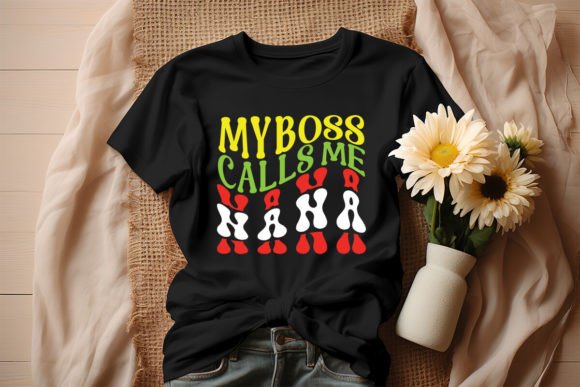
There is a specific kind of joy in finding a design that hits the perfect note between nostalgia and modern humor. When I first opened My Boss Calls Me Nana Retro Design, I didn't just see a graphic; I saw a conversation starter. As someone who spends their days evaluating embroidery files for real-world production, my initial reaction was one of genuine interest. This isn't just another generic "Nana" template; it carries a distinct retro personality that feels ready to be stitched onto something special.
The visual mood is immediately established by the typography and layout. The phrase itself is playful, suggesting a lighthearted take on family dynamics that resonates deeply with grandparents who are still active, engaged, and perhaps a little sassy. For an embroidery designer or a small business owner looking to add this to their catalog, the immediate question is always: does this translate well from a screen to thread? Based on the provided assets, including high-resolution PNGs and fully editable EPS files, the answer leans heavily toward yes.
From Digital File to Finished Product
I recently put My Boss Calls Me Nana Retro Design through a practical stress test before considering it for a client order. The scenario was a custom Mother's Day collection for a boutique selling handmade gifts. The goal was to create a line of embroidered kitchen towels and tote bags that felt cohesive yet unique. The product description highlighted a 300 dpi transparent PNG and an editable vector file, which are crucial for ensuring the design maintains its crisp edges whether printed on a mockup or digitized for stitching.
In the context of a kitchen towel, the retro aesthetic shines. The design doesn't feel cluttered, which is often a problem with text-heavy graphics. However, when moving to smaller items like baby onesies or caps, the scale becomes critical. The description mentions print-ready sizes up to 30 inches, but for a small cap brim, you would need to resize carefully. If the lettering becomes too small during resizing, the satin stitch might struggle to hold its shape, leading to a muddy look where the text loses definition. This is why checking the final output size against your hoop dimensions is non-negotiable.
Material Matters: Where It Shines and Where to Pause
One of the most common mistakes I see crafters make is assuming a design works equally well on every fabric surface. My Boss Calls Me Nana Retro Design has a strong visual presence, but that presence relies on good contrast and stable fabric. On a heavy cotton canvas tote bag, the retro lines would likely pop beautifully, especially if paired with a contrasting thread color like cream on navy or gold on black. The file includes options for different colorways (3 Color, 3 White, 3 Black), which gives you flexibility to match the thread palette to the garment.
However, there are areas where caution is required. If you plan to use this on stretchy fabrics like jersey knit sweatshirts without proper stabilizer, the tension could cause the design to pucker. The retro style often implies a certain thickness in the strokes, and on thin, stretchy material, that density can distort the weave. Similarly, while the design looks great on flat surfaces, applying it to curved surfaces like baseball caps requires careful hooping. The curvature can stretch the fabric during stitching, potentially warping the text if the machine settings aren't adjusted for the curve.
For textured fabrics, such as a thick fleece or a rough linen, the fine details of the retro font might get lost in the weave. In these cases, a denser fill stitch or a slightly larger scale might be necessary to ensure the message remains legible. Always remember that embroidery is a tactile medium; what looks sharp on a monitor might behave differently under the needle. Testing on scrap fabric is not just a suggestion; it is a professional necessity.
Visual Appeal and Customer Perception
In the world of Etsy sellers and small shop owners, the perceived value of a product often hinges on the quality of the execution. A well-executed My Boss Calls Me Nana Retro Design elevates a simple tote bag into a premium gift item. The retro theme taps into a timeless trend that customers associate with quality and care. When a buyer sees a neatly stitched, professionally finished piece of apparel, they are more likely to trust the brand behind it.
The versatility of the design also plays a role in customer engagement. Because the file is fully editable (EPS), designers can tweak the spacing or adjust the kerning to fit specific products. This level of control allows for a customized touch that mass-produced items lack. Whether it is used for a holiday gift, a wedding present, or a personalized nursery decor piece, the design carries an emotional weight that generic clip art simply cannot match. It speaks to the relationship between generations, making it a highly giftable asset.
When creating printable mockups for online listings, the transparency of the PNG files ensures that the design sits naturally on the product image. This helps potential buyers visualize the final result without the distraction of white backgrounds or awkward borders. The ability to preview the design in both light and dark fabric variations is a significant advantage for digital product sellers aiming to showcase the full range of possibilities.
Practical Notes for the Embroidery Designer
Before committing this design to a large production run, there are several technical checks you should perform. First, verify the stitch density. While the file format suggests it is ready for use, the actual stitch count depends on how you digitize it. High-density areas on a retro design can sometimes cause the fabric to bunch up, so inspect the fill stitches closely.
Thread color selection is another critical factor. The design comes with suggested colorways, but you must ensure the thread choice provides enough contrast against your chosen fabric. A dark thread on a dark background will disappear, ruining the impact of the message. Additionally, confirm the licensing terms regarding commercial use. If you intend to sell finished items featuring this design, ensure your license permits commercial production to avoid legal issues down the road.
Finally, consider the end-user experience. Products embroidered with My Boss Calls Me Nana Retro Design will undergo washing and wear. Ensure that the design is anchored properly with appropriate stabilizers to prevent fraying or distortion over time. A durable finish builds customer loyalty and encourages repeat business for your handmade shop.
Ultimately, My Boss Calls Me Nana Retro Design is more than just a graphic; it is a tool for creating meaningful connections through craftsmanship. With careful attention to fabric choice, stabilization, and finishing techniques, it can become a standout piece in any embroidery portfolio. Whether you are a hobbyist making a gift for your own mother or a seasoned pro fulfilling a bulk order for a boutique, this design offers the flexibility and charm needed to deliver a truly memorable finished product.