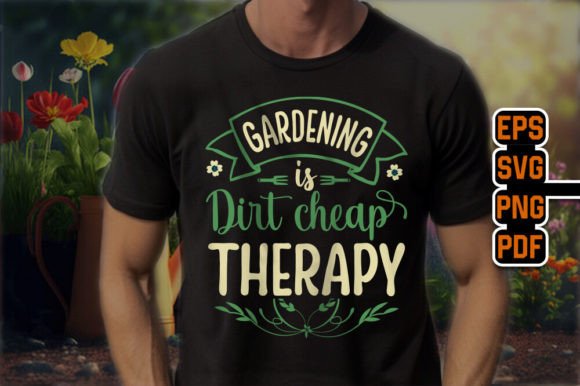
Gardening is Dirt Cheap Therapy T-Shirt
As a designer who has spent years turning digital files into tangible, stitched treasures, I approach every new asset with a mix of excitement and skepticism. The market is flooded with generic graphics, but finding something that truly resonates with the craft community requires a sharp eye for detail and mood. Recently, I evaluated the Gardening is Dirt Cheap Therapy T-Shirt design to see if it holds up under the scrutiny of real-world embroidery production. This isn't just about looking at a pretty image; it is about understanding how the design translates from a screen to thread, fabric, and finally, into the hands of a happy customer.
The first impression of this design is one of immediate relatability. The phrase "Gardening is Dirt Cheap Therapy" carries a specific energy—it is humble, witty, and deeply rooted in the joy of getting your hands dirty. For an embroidery project, this personality is crucial. It suggests that the final product should feel accessible and warm, rather than stiff or overly corporate. When I visualize this as a machine embroidery design, I see it landing perfectly on items that celebrate the hobbyist spirit: a well-worn apron for the backyard potter, a cozy sweatshirt for a weekend seedling session, or a durable tote bag for carrying tools to the community garden.
Real-World Application: From Screen to Stitch
Let me walk you through a scenario where I decided to test this design. I was preparing a batch of custom gifts for a local boutique client who specializes in handmade home goods. They needed a design for their holiday collection that would appeal to plant lovers without feeling cliché. The Gardening is Dirt Cheap Therapy T-Shirt design felt like the perfect candidate. I imagined it stitched onto a canvas tote bag, a staple item for any gardener.
However, moving from a PNG preview to actual stitching requires careful consideration. In this case, I had to think about the stitch density. A design intended for a t-shirt might be too sparse for a heavy-duty canvas tote, yet too dense for a delicate baby onesie. The layout of the text needs to flow naturally across the curve of a garment or the flat surface of a pillow cover. If the lettering is too small, it risks becoming a blurry mess after washing. If the fill stitches are too thick, they can distort the fabric texture, making a soft hoodie feel rigid and uncomfortable.
For the boutique project, I selected a mid-weight cotton blend for the tote bags. The design's clean lines worked beautifully with a satin stitch for the main text, giving it a polished look that elevates the perceived value of the finished product. The contrast between the thread colors and the fabric background was key here. On a natural tan canvas, darker threads pop with clarity, ensuring the message is readable even from a distance. This attention to visual appeal directly impacts customer trust; a crisp, professional finish tells the buyer that care was taken, which justifies a higher price point for a handmade product.
Navigating Fabric and Hoop Challenges
While this design shines on many surfaces, there are areas where caution is required. One common pitfall for designers is applying a standard graphic to a highly textured or stretchy fabric without adjustment. If you attempt to embroider this on a thin, stretchy jersey knit without proper stabilizer, the tension will cause the design to pucker, ruining the aesthetic. Similarly, placing this on a dark fabric requires a different thread strategy to ensure legibility. You must verify that the chosen thread colors provide enough contrast against the background material.
Another critical factor is the hoop size. Many commercial designs are optimized for larger hoops, but what happens when you need to fit this onto a cap or a small baby hat? If the design includes intricate details or tiny corners, a small hoop might force you to cut off essential parts of the quote. I always advise testing the design on scrap fabric first to check the dimensions. Does the text wrap correctly around the curve of a baseball cap? Will the bottom line of the sentence get lost in the seam of a pillow cover? These questions determine whether a design is versatile or limited to specific applications.
Furthermore, consider the durability of the stitch types used. If the design relies heavily on fill stitch over a large area, it may not withstand frequent washing as well as a design using more running stitch or open areas. For items like kitchen towels or aprons that see daily use, the stability of the stitches is paramount. A design that looks great in a mockup might unravel or snag after a few cycles in the wash if the density is not balanced correctly.
Strategic Use for Craft Businesses and Sellers
For Etsy sellers and small shop owners, the choice of design assets can make or break a product line. The Gardening is Dirt Cheap Therapy T-Shirt design offers a unique selling proposition because it taps into a specific emotional niche. It is not just a gardening shirt; it is a statement about mental health and the therapeutic nature of plants. This narrative adds depth to the finished product, making it more likely to be shared on social media or gifted during holidays.
When listing this as a custom apparel option, ensure your printable mockups accurately reflect the texture of the embroidery. Customers want to see how the thread catches the light and sits on the fabric. Avoid generic flat images that hide the dimensionality of the work. By showcasing the design on varied items—like a tea towel, a pillow cover, or a sweatshirt—you demonstrate versatility and help buyers visualize the potential of the design.
However, before committing to a full production run, always review the licensing terms. Some digital embroidery files come with restrictions on commercial use, meaning you cannot sell the finished items even if you bought the file. Confirming these details prevents legal issues down the road. Additionally, check the file format compatibility with your machine. While the description mentions PNG files, embroidery machines require specific formats (like .dst, .pes, .exp) to stitch the design. Ensure you have the correct embroidery file version or know how to convert it safely without losing quality.
Final Thoughts on Design Integrity
In conclusion, the Gardening is Dirt Cheap Therapy T-Shirt design possesses the qualities necessary for a successful embroidery project: clear messaging, appropriate mood, and strong visual structure. It works exceptionally well for personalized gifts and small business merchandise where authenticity matters. However, its success depends entirely on the execution. Proper stabilization, color selection, and fabric choice are non-negotiable elements that separate a amateur result from a professional one.
If you are an experienced designer, you know that the devil is in the details. Test the design on various fabrics, inspect the stitch density under magnification, and ensure the text remains legible in both black and white previews. By taking these practical steps, you can transform a simple graphic into a high-value embroidery project that customers will cherish. Whether you are creating a tote bag design for a craft fair or a baby embroidery piece for a nursery gift, this design offers a solid foundation for creative expression.
Remember, the goal is not just to produce a garment, but to create an experience. When a customer wears or uses an item embroidered with this thoughtful quote, they are reminded of the joy found in their own gardens. That connection is what makes craft business sustainable and meaningful. Use this design wisely, respect the materials, and let the stitching speak for itself.