Photo Camera Iluustration: A Real-World Embroidery Review
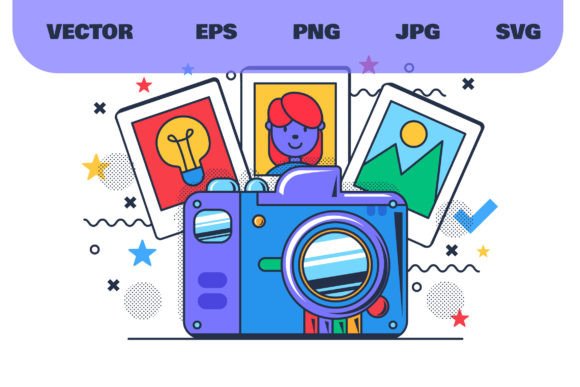
When I first opened the Photo Camera Iluustration file, my initial reaction was one of genuine excitement. As a designer who has spent years turning digital graphics into tangible stitched goods, I know that not every illustrations category item is ready for the hoop. This specific design, described as a vector cartoon flat outline photo camera concept with photography symbols in a futuristic creative modern style, hits a sweet spot between trendy aesthetics and practical stitchability. It feels less like a generic clip art and more like a bespoke asset waiting to become a finished product.
The First Impression: Mood and Visual Personality
The moment you look at this design, it screams "creative professional." The futuristic, flat outline style gives it a clean, modern edge that stands out against the traditional, often overly detailed floral or script designs that clutter many embroidery shops. It captures the essence of World Photo Day without feeling dated or cheesy. The layout is balanced, with the camera body taking center stage while the surrounding photography symbols add context without creating visual clutter.
For an embroidery project, this balance is crucial. In the world of machine embroidery, detail is the enemy of clarity. If a design is too intricate, the stitches blend together, losing definition. However, if it is too simple, it looks cheap. Photo Camera Iluustration manages to walk this tightrope perfectly. The bold outlines suggest it will translate well into satin stitch, providing a crisp edge that defines the shape of the lens and the flash unit. The flat style implies that fill stitches will lay down smoothly, creating a solid, vibrant surface rather than a patchy mess.
Real-Life Scenario: The Custom Tote Bag Project
Let's imagine a real-world scenario. You are preparing for a local craft fair or updating your Etsy shop with new inventory. You need a standout piece for a photographer enthusiast—a custom embroidered tote bag. You have been looking for something that isn't just a standard "Just Shoot It" pun but something that visually represents the craft itself.
This is where Photo Camera Iluustration shines. Imagine placing this design on a sturdy canvas tote. The flat outline style would pop beautifully against a navy blue or charcoal gray fabric. The futuristic elements give it a cool, urban vibe that appeals to younger demographics, while the recognizable camera shape ensures immediate recognition. Unlike complex photorealistic images that require thousands of color changes and fine detailing, this design allows for a cleaner production process.
I can already visualize the final product hanging on a boutique rack. The stitching would be dense enough to feel substantial but open enough to show the texture of the canvas. It transforms a simple accessory into a statement piece. For a small business owner, this translates directly to higher perceived value. Customers aren't just buying a bag; they are buying a piece of art that speaks their language. The design works equally well for a sweatshirt embroidery project on a hoodie, offering a sleek graphic element on the chest or back.
Performance on Different Fabrics and Products
While the design is versatile, knowing where it performs best is key to avoiding costly mistakes. Photo Camera Iluustration excels on stable fabrics. It is ideal for medium-weight cottons, denim, twill, and felt. These materials provide the necessary foundation for the satin stitches to hold their shape without puckering.
- Tote Bags and Aprons: The robust nature of these items pairs perfectly with the strong lines of the camera illustration. It withstands frequent handling and washing better than delicate fabrics.
- Baby Clothes: The cartoonish, friendly vibe makes it a great choice for baby onesies or nursery decor. The lack of tiny, fragile details means it won't snag easily, which is essential for items that go through rigorous laundering.
- Holiday Gifts: For World Photo Day or Christmas, this design adds a personal touch to tea towels or pillow covers. The modern style keeps it from looking like a tacky seasonal novelty.
- Embroidered Patches: The clear outline suggests it could work well as an applique design or a cut-out patch, especially if you use a contrasting thread color for the background.
Where to Proceed with Caution
No design is perfect for every situation, and honesty is vital for any designer reviewing graphics for commercial use. There are specific scenarios where Photo Camera Iluustration might struggle. If you are working with stretchy knits like jersey t-shirts, you must be extremely careful with the stabilizer. While the design is relatively open, any tension issues could distort the camera shape.
Similarly, small hoop sizes present a challenge. If the design is scaled down too much for a hat brim or a baby bib, the finer details of the "futuristic" symbols might disappear into the fabric texture. Textured fabrics like heavy fleece or bouclé can also hide the crispness of the flat outline. On dark fabrics, you will need to ensure you are using high-quality, opaque threads to prevent the base fabric from showing through the lighter areas of the design.
Another critical factor is stitch density. Before committing to a full production run, always check the stitch count. If the density is too high, the fabric will pucker around the lens area. If it is too low, the design may look sparse and unprofessional. This is particularly important for commercial embroidery projects where consistency is paramount.
Practical Designer Notes for Success
To get the most out of this embroidery file, I recommend following a strict testing protocol. First, test the design on scrap fabric that matches your final product exactly. Do not skip this step. Check how the stitch density interacts with your chosen thread colors. A black outline on a white background looks different than a gold outline on a black background.
Review the hoop size requirements carefully. Ensure your machine can accommodate the dimensions without cutting off parts of the image. Inspect the small details closely; sometimes, what looks good on a screen becomes indistinct when stitched. Test the design in black and white mockups to see if the contrast holds up before adding color.
Always confirm the licensing terms before selling finished items or digital products. Are you allowed to use this design asset for commercial purposes? Does the license cover custom apparel sold online? These legal nuances can make or break a craft business.
Finally, consider the visual appeal of the finished product. Does it convey professionalism? Does it build trust with the buyer? A well-executed Photo Camera Iluustration on a high-quality tote bag signals attention to detail and artistic flair. It elevates a simple gift into a memorable keepsake. By understanding the strengths and limitations of this design, you can create handmade products that resonate with customers and stand out in a crowded marketplace.
In conclusion, Photo Camera Iluustration is a versatile and stylish addition to any embroidery library. Whether you are an Etsy seller looking to expand your catalog or a hobbyist wanting to make a unique gift, this design offers a modern twist on a classic subject. Just remember to respect the fabric, manage your expectations regarding detail, and always test before you sell.